
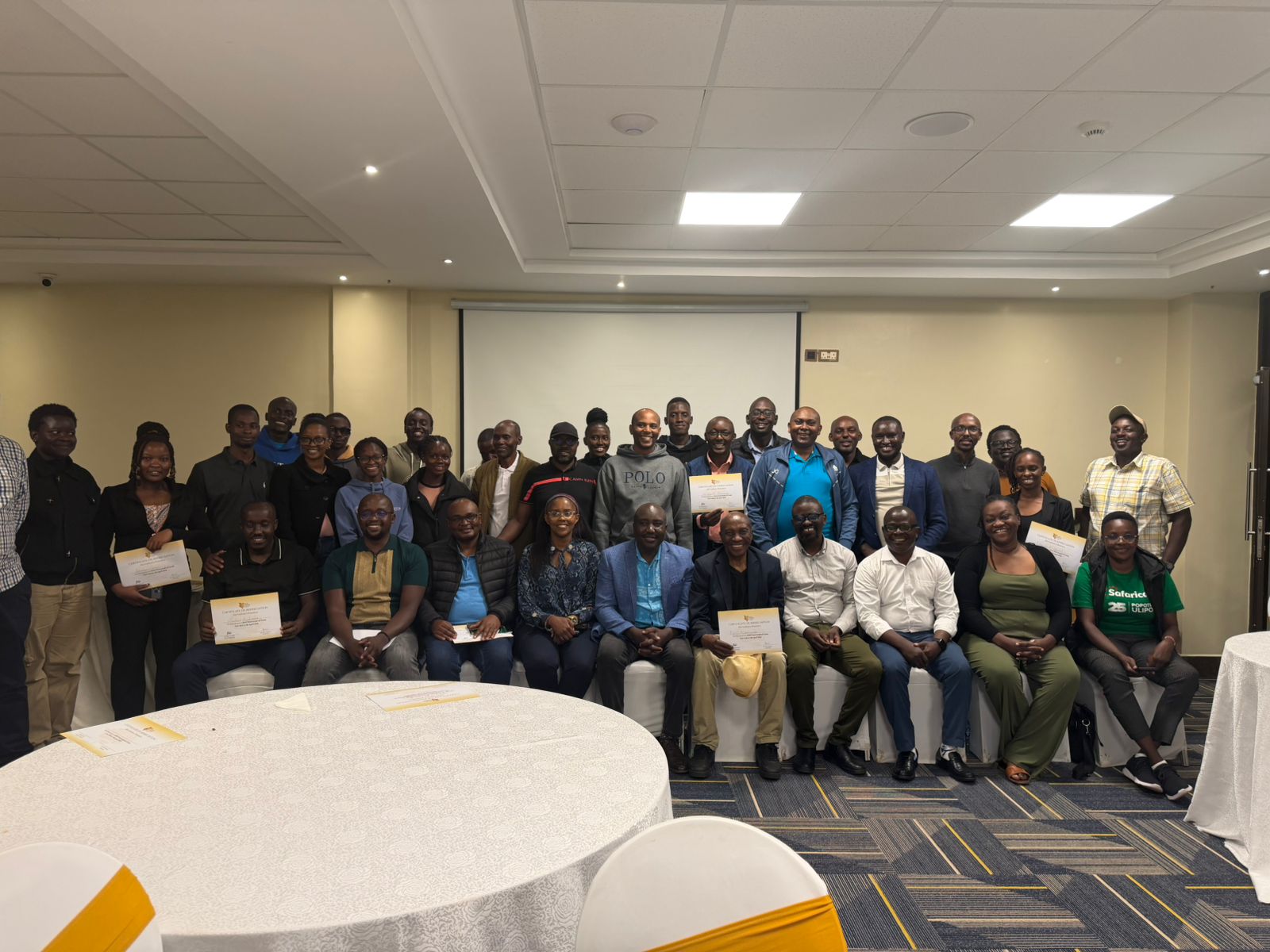
Dr Okemwa with the BTAK team at The Kisii Neurosurgical Medical Camp
In a remarkable demonstration of commitment to community health and capacity building, Dr. Okemwa, in collaboration with the Brain Tumour Association of Kenya (BTAK), spearheaded a highly impactful neurosurgical medical camp at Kisii Teaching and Referral Hospital (KTRH) from April 2–5, 2026.
This initiative brought together a multidisciplinary team of neurosurgeons, anesthesiologists, residents, and specialized nurses with the shared goal of improving access to neurosurgical care, raising awareness of brain tumors, and strengthening local healthcare systems.
Delivering Specialized Care to the Community
The medical camp focused on providing life-saving neurosurgical interventions to patients who had been preselected and reviewed before the camp. A total of eight patients underwent neurosurgical procedures, conducted in two fully operational theaters running in parallel to maximize efficiency and patient outcomes.
Beyond surgical intervention, the team ensured high-quality perioperative and post-operative care, including intensive monitoring, pain management, and coordinated discharge planning.
Capacity Building and Training
A key pillar of the camp was mentorship and skills transfer. Dr. Okemwa and the visiting neurosurgical team worked closely with KTRH staff and residents, offering hands-on training in:
- Neurosurgical procedures and intraoperative techniques
- Post-operative patient management
- Recognition and management of complications
- ICU monitoring and neurosurgical nursing care
Structured academic sessions and daily debriefings created a learning-rich environment, allowing residents to actively participate in surgeries under supervision while enhancing their clinical decision-making skills.
Promoting Continuous Medical Education
The program also incorporated Continuing Medical Education (CME) sessions, culminating in a CME dinner that brought together healthcare professionals to share knowledge on key topics, including the management of head injuries. These engagements fostered professional collaboration and knowledge exchange across institutions.
Strengthening Systems for Sustainable Impact
In addition to patient care and training, the camp emphasized systems strengthening and sustainability. Activities included:
- Pre-camp planning with hospital leadership
- Equipment verification and optimization of theater readiness
- Development of follow-up care pathways for operated patients
- Coordination with local teams to ensure continuity of care after the camp
Final ward rounds, discharge counseling, and structured follow-up planning ensured that patients continued to receive appropriate care even after the surgical team had departed.
A Model for Community-Based Specialized Care
This medical camp stands as a model for how collaborative outreach programs can bridge gaps in specialized healthcare access, particularly in underserved regions. Through leadership, dedication, and partnership, Dr. Okemwa and the BTAK team demonstrated how targeted interventions can transform lives while simultaneously building local capacity.
Conclusion
The Kisii Neurosurgical Medical Camp underscores the vital role of community service in advancing healthcare delivery and medical education. It highlights the importance of partnerships between institutions, specialists, and local healthcare providers in achieving sustainable improvements in patient care.
Dr. Okemwa’s leadership in this initiative reflects a strong commitment not only to clinical excellence but also to equity in healthcare access and professional development, setting a benchmark for future outreach programs.
- Log in to post comments